stdClass Object
(
[id] => 62
[asset_id] => 110
[title] => Oil Tank Buying Guide
[alias] => oil-tank-buying-guide
[introtext] =>
Many of our customers call and ask for advice on which tank is best for them. There are a few important things to remember when choosing a fuel tank. We’ve produced this guide to give you some tips on what to consider when you're buying or upgrading your tank.
[fulltext] =>
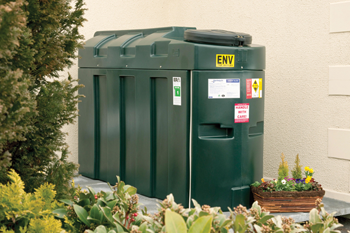
What kind of fuel can tanks hold?
At HomeFuels Direct we stock a variety of oil storage tanks. The majority of our tanks are designed to store kerosene heating oil however some can be used to store diesel fuel. None of the tanks we sell are designed to store LPG. Some people choose to store rainwater in their tanks, however for environmental reasons this should never be done if the tank has contained oil previously.
What kind of oil storage tank should I buy?
When it comes to the design and structure of your tank there are lots of options. Most modern oil storage tanks are made from high strength plastic which is resistant to corrosion and degradation. If you'd prefer a steel tank we do still offer a range of steel oil storage tanks. The tanks' walls are corrugated to ensure that they don't distort over time as the weight of the oil pushes outwards. There are a few options for tank design depending on your requirements: bunded tanks, single skinned tanks, fireproof tanks and fuel depot tanks.
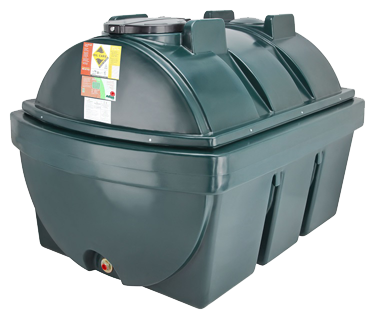 Bunded tanks are constructed in a way which gives the tank two walls. This adds structural strength and limits the chances of distortion even more. Furthermore it means if there was an accident where something collided with the tank, for example gardening equipment or a car, then there is less chance of puncturing the tank and causing an oil spill. Therefore if your tank is near where you park or use gardening equipment it might be a safer option to buy a bunded tank.
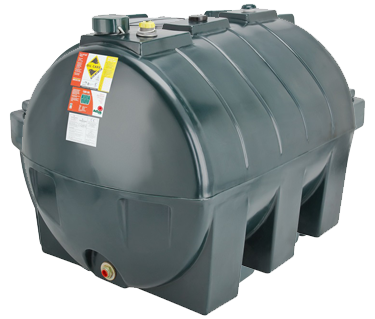 Single skinned tanks are quite self-explanatory, whereas bunded tanks have two “skins” single skinned tanks only have one wall. This can mean they’re more susceptible to puncture if an incident occurred however they are often a cheaper option. If you’re tank is located in a safe place where it’s unlikely to be damaged then a single skinned tank may be the best option for you!
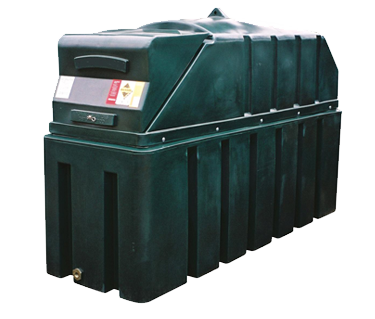 For those that are very safety conscious we provide a selection of fireproof heating oil storage tanks that can be used for storing various liquids including, kerosene and diesel. These tanks are bunded and designed for extra safety and protection.
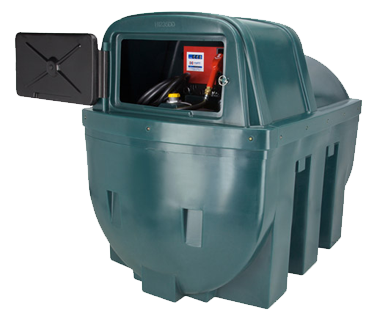 We have an excellent range of fuel depot tanks that are ideal for use within the agricultural and commercial industries. These tanks are perfect for storing red diesel and easy to dispense from. Our tanks comply with the guidelines of OFST100 and EN13341 as our providers are members of OFTEC.
What size oil tank do I need?
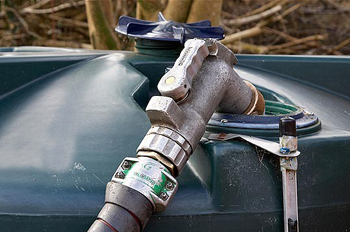
Think about how often you want to refill your tank
On average a British household could use between 2000 and 3000 litres of heating oil over a year. If you use fuel-based appliances like AGAs or Rayburns then you may well use more than that. We offer a huge range of sizes from just 430ltr to 15,000ltrs!
At HomeFuels Direct if you buy a larger volume of heating oil we often offer a discounted price. This means that if you buy a tank that can store a larger quantity of oil you could save a lot of money in the long run. If you have a limited budget when it comes to refuelling then perhaps a smaller tank would be more suitable.
Think about how much space you have for a tank, how often you’d like to organise a new delivery and how much you want to spend. You should also consider that when buying heating oil the industry wide minimum order is 500ltr. We also usually suggest you never have less than 150ltrs of oil in your tank, this ensures you don’t run out whilst waiting for your order.
Contact an OFTEC registered technician.
When it comes to installing or upgrading a heating oil storage tank you should make sure that the base and support system is strong and long lasting, if the foundations of your tank platform are weak it could lead to serious safety and environmental issues.
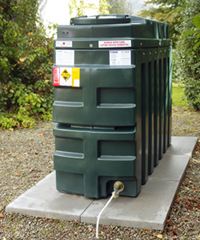
The base should be able to withstand the weight of the tank plus the maximum volume of fuel it can hold. We suggest using concrete or stone as the base (paving slabs are suitable and are quite popular). There should be at least 300mm of extra space around every edge of the tank. If your tank isn’t supported correctly it could lead to leaks and spillages so it’s best to do it right first time. There are also Regional Building Regulations that must be followed.
If you live in England or Wales we suggest contacting an OFTEC registered technician as they can provide self certified work. You’ll also need to contact an OFTEC registered technician for your annual tank inspection.
Where should I put my tank?
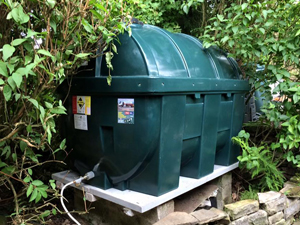
Some people choose to hide their tanks.
Oil storage tanks aren’t the most pleasing thing to look it must be said. Some people try to position their tank somewhere slightly out of sight. This can be a good idea but you must bear in mind that most delivery tankers have approximately 30m long hoses.
There is also a list of fire separation distances that are put in place for the protection of stored oil from potential heat sources. These distances are not to be ignored and currently stand as the following,
Tanks should be sited:
• 1.8m away from non-fire rated eaves of a building
• 1.8m away from a non-fire building or structure (e.g. garden sheds)
• 1.8m away from opening (such as doors and windows) in a fire rated building or structure (e.g. brick built house/garage)
• 1.8m away from oil fired appliance flue terminals
• 760mm away from a non-fire rated boundary such as a wooden boundary fence
• 600mm away from screening (e.g. trellis and foliage that does not form part of the boundary)
All of these factors need to be looked into before buying your fuel tank as they can directly have effect on such things as the size, height, shape and type. Make sure that you get your measurements right or you could find yourself with a serious problem when it comes to installation.
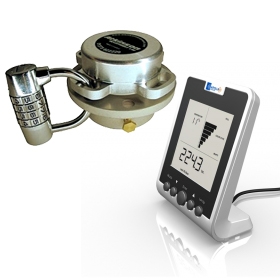
We offer great package security deals.
Unfortunately criminals regularly target homes with heating oil in rural areas. If your oil is stolen it can leave you out of pocket and waiting days for a new delivery. We have a few tips for you which will help to protect you from heating oil theft:
- Check your oil level regularly for sudden drops.
- Install a tank padlock on your fill cap and ideally your vent cap if possible.
- Install a tank monitor and a tank alarm.
- Consider installing CCTV to monitor your tank.
- Use signage, even if you don't have CCTV in place a sign might deter thieves.
If you impliment some or all of these tips you may be able to protect yourself from oil theft. If all else fails it's important to make sure your oil is insured. Speak with your home insurance provider and check whether they cover theft of oil.
[state] => 1
[catid] => 13
[created] => 2016-02-09 15:55:53
[created_by] => 61
[created_by_alias] =>
[modified] => 2026-08-12 10:23:54
[modified_by] => 9547
[checked_out] =>
[checked_out_time] =>
[publish_up] => 2016-02-09 15:55:53
[publish_down] =>
[images] => {"image_intro":"images\/HFD-Oil-Tanks.jpg","image_intro_alt":"","float_intro":"","image_intro_caption":"","image_fulltext":"","image_fulltext_alt":"","float_fulltext":"right","image_fulltext_caption":""}
[urls] => {"urla":"","urlatext":"","targeta":"","urlb":"","urlbtext":"","targetb":"","urlc":"","urlctext":"","targetc":""}
[attribs] => {"article_layout":"","show_title":"0","link_titles":"","show_tags":"","show_intro":"1","info_block_position":"","info_block_show_title":"","show_category":"0","link_category":"","show_parent_category":"","link_parent_category":"","show_author":"","link_author":"","show_create_date":"","show_modify_date":"","show_publish_date":"","show_item_navigation":"","show_vote":"","show_hits":"","show_noauth":"","urls_position":"","alternative_readmore":"","article_page_title":"","show_publishing_options":"","show_article_options":"","show_urls_images_backend":"","show_urls_images_frontend":""}
[version] => 135
[ordering] =>
[metakey] => Heating oil tanks, oil tanks for houses, domestic oil tanks, oil storage tanks, buying an oil tank
[metadesc] => We've created this Oil Tank Buying Guide as we often have customers calling for advice on heating oil storage tanks.
[access] => 1
[hits] => 1945
[metadata] => Joomla\Registry\Registry Object
(
[data:protected] => stdClass Object
(
[robots] =>
[author] =>
[rights] =>
)
[initialized:protected] => 1
[separator:protected] => .
)
[featured] => 0
[language] => *
[featured_up] =>
[featured_down] =>
[category_title] => Heating Oil Tips
[category_alias] => heating-oil-tips
[category_access] => 1
[category_language] => *
[author] => tr10.support
[parent_title] => Heating Oil
[parent_id] => 10
[parent_route] => uncategorised/heating-oil
[parent_alias] => heating-oil
[parent_language] => *
[rating] =>
[rating_count] =>
[params] => Joomla\Registry\Registry Object
(
[data:protected] => stdClass Object
(
[article_layout] => _:default
[show_title] => 1
[link_titles] => 0
[show_intro] => 1
[info_block_position] => 0
[info_block_show_title] => 1
[show_category] => 0
[link_category] => 0
[show_parent_category] => 0
[link_parent_category] => 0
[show_associations] => 0
[flags] => 1
[show_author] => 0
[link_author] => 0
[show_create_date] => 0
[show_modify_date] => 0
[show_publish_date] => 0
[show_item_navigation] => 0
[show_vote] => 0
[show_readmore] => 1
[show_readmore_title] => 0
[readmore_limit] => 100
[show_tags] => 1
[show_icons] => 0
[show_print_icon] => 0
[show_email_icon] => 0
[show_hits] => 0
[record_hits] => 1
[show_noauth] => 0
[urls_position] => 0
[captcha] =>
[show_publishing_options] => 1
[show_article_options] => 1
[save_history] => 0
[history_limit] => 10
[show_urls_images_frontend] => 0
[show_urls_images_backend] => 1
[targeta] => 0
[targetb] => 0
[targetc] => 0
[float_intro] => left
[float_fulltext] => left
[category_layout] => _:default
[show_category_heading_title_text] => 1
[show_category_title] => 0
[show_description] => 0
[show_description_image] => 0
[maxLevel] => 1
[show_empty_categories] => 0
[show_no_articles] => 1
[show_subcat_desc] => 1
[show_cat_num_articles] => 0
[show_cat_tags] => 1
[show_base_description] => 1
[maxLevelcat] => -1
[show_empty_categories_cat] => 0
[show_subcat_desc_cat] => 1
[show_cat_num_articles_cat] => 1
[num_leading_articles] => 1
[num_intro_articles] => 2
[num_columns] => 2
[num_links] => 5
[multi_column_order] => 0
[show_subcategory_content] => 0
[show_pagination_limit] => 1
[filter_field] => hide
[show_headings] => 1
[list_show_date] => 0
[date_format] =>
[list_show_hits] => 1
[list_show_author] => 1
[list_show_votes] => 0
[list_show_ratings] => 0
[orderby_pri] => order
[orderby_sec] => rdate
[order_date] => published
[show_pagination] => 2
[show_pagination_results] => 1
[show_featured] => show
[show_feed_link] => 1
[feed_summary] => 0
[feed_show_readmore] => 0
[sef_advanced] => 1
[sef_ids] => 1
[custom_fields_enable] => 1
[show_page_heading] => 0
[menu_text] => 1
[menu_show] => 0
[page_title] => Which Tank?
[page_description] => National Heating Oil Delivery ✅ Get the best price for your home heating oil with an instant quote. Easy ordering | Fast & friendly service | UK-wide delivery
[page_rights] =>
[robots] => noindex, nofollow
[access-view] => 1
)
[initialized:protected] => 1
[separator:protected] => .
)
[tagLayout] => Joomla\CMS\Layout\FileLayout Object
(
[options:protected] => Joomla\Registry\Registry Object
(
[data:protected] => stdClass Object
(
[component] => com_content
[client] => 0
)
[initialized:protected] =>
[separator:protected] => .
)
[data:protected] => Array
(
)
[debugMessages:protected] => Array
(
)
[layoutId:protected] => joomla.content.tags
[basePath:protected] =>
[fullPath:protected] =>
[includePaths:protected] => Array
(
)
)
[slug] => 62:oil-tank-buying-guide
[readmore_link] => /heating-oil-tanks/which-oil-tank
[text] =>
Many of our customers call and ask for advice on which tank is best for them. There are a few important things to remember when choosing a fuel tank. We’ve produced this guide to give you some tips on what to consider when you're buying or upgrading your tank.
What kind of fuel can tanks hold?
At HomeFuels Direct we stock a variety of oil storage tanks. The majority of our tanks are designed to store kerosene heating oil however some can be used to store diesel fuel. None of the tanks we sell are designed to store LPG. Some people choose to store rainwater in their tanks, however for environmental reasons this should never be done if the tank has contained oil previously.
What kind of oil storage tank should I buy?
When it comes to the design and structure of your tank there are lots of options. Most modern oil storage tanks are made from high strength plastic which is resistant to corrosion and degradation. If you'd prefer a steel tank we do still offer a range of steel oil storage tanks. The tanks' walls are corrugated to ensure that they don't distort over time as the weight of the oil pushes outwards. There are a few options for tank design depending on your requirements: bunded tanks, single skinned tanks, fireproof tanks and fuel depot tanks.
Bunded tanks are constructed in a way which gives the tank two walls. This adds structural strength and limits the chances of distortion even more. Furthermore it means if there was an accident where something collided with the tank, for example gardening equipment or a car, then there is less chance of puncturing the tank and causing an oil spill. Therefore if your tank is near where you park or use gardening equipment it might be a safer option to buy a bunded tank.
Single skinned tanks are quite self-explanatory, whereas bunded tanks have two “skins” single skinned tanks only have one wall. This can mean they’re more susceptible to puncture if an incident occurred however they are often a cheaper option. If you’re tank is located in a safe place where it’s unlikely to be damaged then a single skinned tank may be the best option for you!
For those that are very safety conscious we provide a selection of fireproof heating oil storage tanks that can be used for storing various liquids including, kerosene and diesel. These tanks are bunded and designed for extra safety and protection.
We have an excellent range of fuel depot tanks that are ideal for use within the agricultural and commercial industries. These tanks are perfect for storing red diesel and easy to dispense from. Our tanks comply with the guidelines of OFST100 and EN13341 as our providers are members of OFTEC.
What size oil tank do I need?
Think about how often you want to refill your tank
On average a British household could use between 2000 and 3000 litres of heating oil over a year. If you use fuel-based appliances like AGAs or Rayburns then you may well use more than that. We offer a huge range of sizes from just 430ltr to 15,000ltrs!
At HomeFuels Direct if you buy a larger volume of heating oil we often offer a discounted price. This means that if you buy a tank that can store a larger quantity of oil you could save a lot of money in the long run. If you have a limited budget when it comes to refuelling then perhaps a smaller tank would be more suitable.
Think about how much space you have for a tank, how often you’d like to organise a new delivery and how much you want to spend. You should also consider that when buying heating oil the industry wide minimum order is 500ltr. We also usually suggest you never have less than 150ltrs of oil in your tank, this ensures you don’t run out whilst waiting for your order.
Contact an OFTEC registered technician.
When it comes to installing or upgrading a heating oil storage tank you should make sure that the base and support system is strong and long lasting, if the foundations of your tank platform are weak it could lead to serious safety and environmental issues.
The base should be able to withstand the weight of the tank plus the maximum volume of fuel it can hold. We suggest using concrete or stone as the base (paving slabs are suitable and are quite popular). There should be at least 300mm of extra space around every edge of the tank. If your tank isn’t supported correctly it could lead to leaks and spillages so it’s best to do it right first time. There are also Regional Building Regulations that must be followed.
If you live in England or Wales we suggest contacting an OFTEC registered technician as they can provide self certified work. You’ll also need to contact an OFTEC registered technician for your annual tank inspection.
Where should I put my tank?
Some people choose to hide their tanks.
Oil storage tanks aren’t the most pleasing thing to look it must be said. Some people try to position their tank somewhere slightly out of sight. This can be a good idea but you must bear in mind that most delivery tankers have approximately 30m long hoses.
There is also a list of fire separation distances that are put in place for the protection of stored oil from potential heat sources. These distances are not to be ignored and currently stand as the following,
Tanks should be sited:
• 1.8m away from non-fire rated eaves of a building
• 1.8m away from a non-fire building or structure (e.g. garden sheds)
• 1.8m away from opening (such as doors and windows) in a fire rated building or structure (e.g. brick built house/garage)
• 1.8m away from oil fired appliance flue terminals
• 760mm away from a non-fire rated boundary such as a wooden boundary fence
• 600mm away from screening (e.g. trellis and foliage that does not form part of the boundary)
All of these factors need to be looked into before buying your fuel tank as they can directly have effect on such things as the size, height, shape and type. Make sure that you get your measurements right or you could find yourself with a serious problem when it comes to installation.
We offer great package security deals.
Unfortunately criminals regularly target homes with heating oil in rural areas. If your oil is stolen it can leave you out of pocket and waiting days for a new delivery. We have a few tips for you which will help to protect you from heating oil theft:
- Check your oil level regularly for sudden drops.
- Install a tank padlock on your fill cap and ideally your vent cap if possible.
- Install a tank monitor and a tank alarm.
- Consider installing CCTV to monitor your tank.
- Use signage, even if you don't have CCTV in place a sign might deter thieves.
If you impliment some or all of these tips you may be able to protect yourself from oil theft. If all else fails it's important to make sure your oil is insured. Speak with your home insurance provider and check whether they cover theft of oil.
[tags] => Joomla\CMS\Helper\TagsHelper Object
(
[tagsChanged:protected] =>
[replaceTags:protected] =>
[typeAlias] =>
[itemTags] => Array
(
)
[tags] =>
[newTags] =>
[oldTags] =>
)
[jcfields] => Array
(
[27] => stdClass Object
(
[id] => 27
[title] => Extra Content
[name] => extra-content
[checked_out] =>
[checked_out_time] =>
[note] =>
[state] => 1
[access] => 1
[created_time] => 2023-04-06 10:06:58
[created_user_id] => 66295
[ordering] => 0
[language] => *
[fieldparams] => Joomla\Registry\Registry Object
(
[data:protected] => stdClass Object
(
[buttons] =>
[width] =>
[height] =>
[filter] => raw
)
[initialized:protected] => 1
[separator:protected] => .
)
[params] => Joomla\Registry\Registry Object
(
[data:protected] => stdClass Object
(
[hint] =>
[class] =>
[label_class] =>
[show_on] =>
[render_class] =>
[value_render_class] =>
[showlabel] => 1
[label_render_class] =>
[display] => 2
[layout] =>
[display_readonly] => 2
)
[initialized:protected] => 1
[separator:protected] => .
)
[type] => editor
[default_value] =>
[context] => com_content.article
[group_id] => 0
[label] => Extra Content
[description] =>
[required] => 0
[only_use_in_subform] => 0
[language_title] =>
[language_image] =>
[editor] =>
[access_level] => Public
[author_name] =>
[group_title] =>
[group_access] =>
[group_state] =>
[group_note] =>
[value] =>
[rawvalue] =>
)
)
[event] => stdClass Object
(
[afterDisplayTitle] =>
[beforeDisplayContent] =>
[afterDisplayContent] =>
)
)